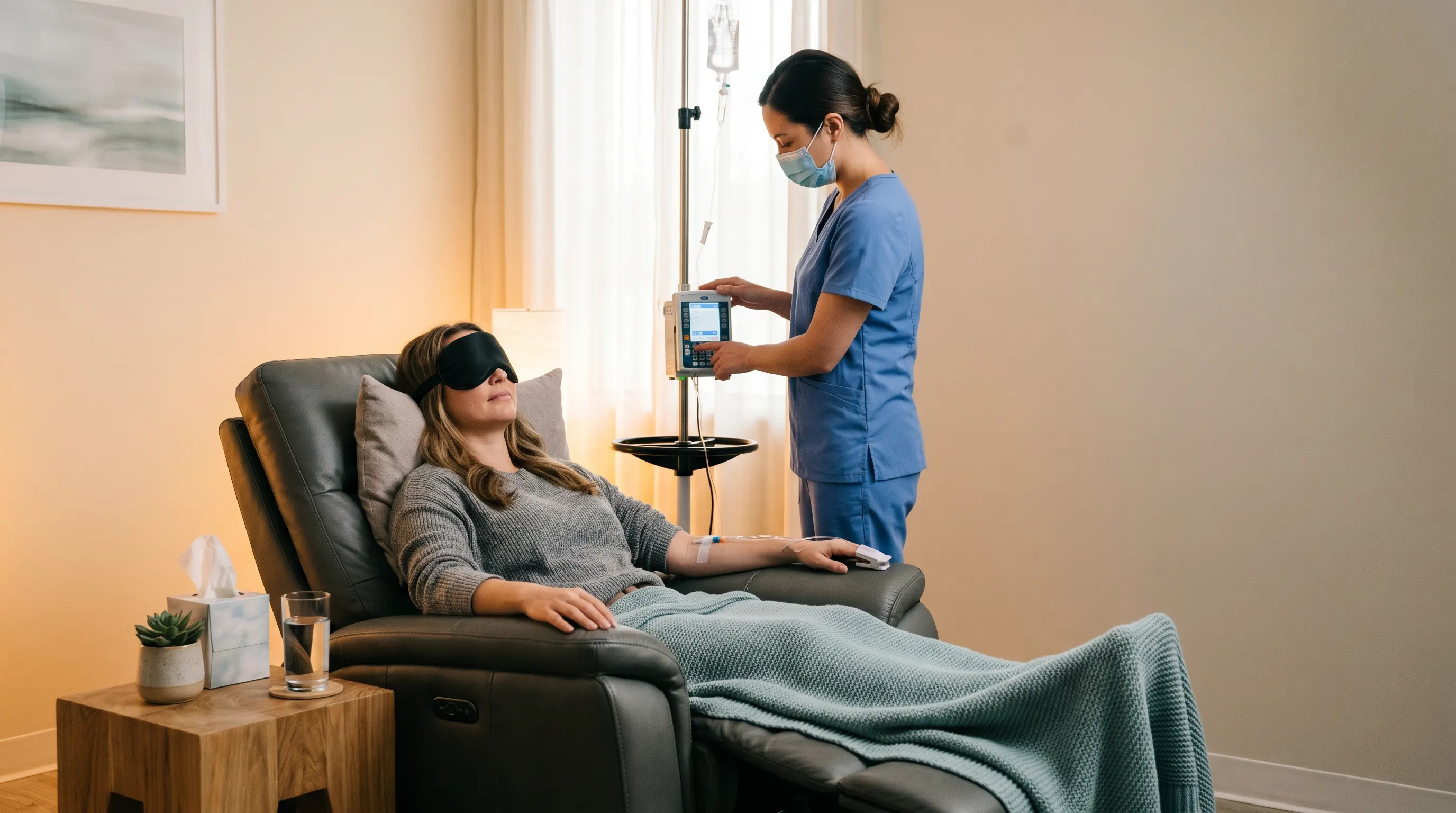
Ketamine Therapy Clinics professionals serving San Francisco, CA
Key Takeaways
•San Francisco has 16 listed ketamine therapy professionals averaging a strong 4.4 out of 5 stars, with five providers holding a perfect 5.0 rating — giving patients an unusually high concentration of top-tier options for a city of 870,000.
•IV ketamine infusions in San Francisco typically run $400–$800 per session, with a full six-session induction series costing $2,400–$4,800 — costs consistent with other high cost-of-living metro areas but worth comparing across the 16 listed providers.
•88% of listed San Francisco ketamine providers offer direct phone contact, making it feasible to speak with a clinical coordinator within one to two days of inquiry rather than relying solely on online intake forms.
•San Francisco's cool Mediterranean climate means seasonal affective disorder (SAD) contributes to depression peaks each winter, making October through February the highest-demand booking window — plan your intake consultation at least two to four weeks earlier than you think you need to.
•Spravato (esketamine nasal spray) is the only ketamine-based treatment currently covered by most insurance plans in San Francisco, and only through REMS-certified providers — confirm REMS certification before assuming any coverage applies to your situation.
Ketamine Therapy For Depression And Chronic Pain in San Francisco: What You Need to Know
San Francisco occupies a unique position in the national ketamine therapy landscape. As a tech-industry hub with a highly educated, health-literate population of 870,000, the city has developed a ketamine therapy market that trends toward integrative, psychiatry-forward models rather than purely anesthesiology-driven infusion clinics. You will find that many of San Francisco's 16 listed providers weave somatic therapy, ketamine-assisted psychotherapy (KAP), and harm-reduction principles into their treatment models — a reflection of the city's long-standing engagement with psychedelic medicine research at institutions like UCSF. The average rating of 4.4 stars across all listed providers is meaningfully above the national average for this specialty, suggesting that the San Francisco market has self-selected for quality, though that also means waitlists at the highest-rated clinics can run two to four weeks or longer.
For patients dealing with treatment-resistant depression, the therapeutic landscape here is notably sophisticated. San Francisco providers are more likely than those in smaller markets to offer preparation and integration sessions alongside infusion or intranasal protocols, which the clinical literature increasingly identifies as a key driver of durable outcomes. Chronic pain patients — including those managing complex regional pain syndrome (CRPS), fibromyalgia, or post-surgical neuropathic pain — will find providers who are familiar with subanesthetic dosing protocols specifically calibrated for pain rather than mood disorders. That said, not every clinic in San Francisco offers both depression and chronic pain protocols, so confirming the scope of a provider's clinical experience before booking is essential rather than assumed.
The city's geography also matters practically. San Francisco's dense, transit-accessible neighborhoods mean most ketamine clinics are reachable by BART, Muni, or rideshare — which matters because patients cannot drive themselves home after IV infusions or Spravato sessions. Clinics are concentrated in neighborhoods including the Castro, Mission, SoMa, and the Inner Sunset, putting most of the city's population within a reasonable post-treatment transit or rideshare distance. Earthquake preparedness is another minor but real consideration: ask your clinic about their emergency protocols, as a seismic event during an active infusion session is a scenario worth understanding in advance.
San Francisco Local Tip: Because San Francisco prohibits driving under the influence of any sedating medication, arrange a rideshare, taxi, or a trusted companion for every ketamine session — this is a legal and safety requirement, not a preference. Many clinics in the city will not administer treatment without confirmed transportation. Apps like Uber and Lyft are widely available in all San Francisco neighborhoods, but surge pricing after evening clinic appointments is common — consider scheduling daytime sessions or booking a ride in advance to manage cost and availability.
How Much Does Ketamine Therapy For Depression And Chronic Pain Cost in San Francisco?
San Francisco's cost-of-living premium does influence ketamine therapy pricing, though the range remains broadly consistent with other major West Coast metros like Los Angeles and Seattle. IV ketamine infusions for depression typically run $400–$800 per session at listed San Francisco providers. A standard six-infusion induction series — the evidence-based protocol for treatment-resistant depression — therefore costs $2,400–$4,800 depending on the clinic, the duration of each infusion, and whether preparation or integration sessions are included in the package price. Chronic pain protocols often differ in dosing strategy and session length from depression protocols, which can affect per-session pricing; always ask whether the quoted price reflects your specific indication.
Spravato (esketamine nasal spray), the only FDA-approved ketamine-derived treatment for treatment-resistant depression, is priced at approximately $600–$900 per session at San Francisco REMS-certified providers. Unlike IV infusions, Spravato is eligible for insurance coverage under most major plans when medically necessary criteria are met — but this requires the prescribing clinic to hold active REMS certification, and patients must receive each dose in-clinic under observation for at least two hours. It is worth noting that the administrative overhead of REMS compliance can make Spravato sessions logistically heavier than IV infusions even when insurance is involved. Patients who qualify for both modalities should have a frank conversation with their provider about the trade-offs between insurance coverage and clinical flexibility.
Service
Low Estimate
High Estimate
Notes
IV Ketamine Infusion (Single Session)
Low$400
High$800
Per session; price varies by infusion duration (40–60 min standard for depression, longer for pain) and clinic overhead in San Francisco's high-cost market
IV Ketamine Infusion (6-Session Induction Series)
Low$2,400
High$4,800
Standard induction protocol for treatment-resistant depression; some San Francisco clinics bundle preparation and integration sessions into the series price — confirm before booking
Spravato (Esketamine Nasal Spray, Per Session)
Low$600
High$900
Only ketamine-based treatment covered by most insurance when REMS-certified; requires in-clinic 2-hour observation after each dose; insurance prior authorization typically takes 2–4 weeks
Ketamine-Assisted Psychotherapy (KAP) Session
Low$500
High$1,200
Combines a lower or standard ketamine dose with active psychotherapy; pricing reflects therapist time plus medication; more common in San Francisco than in most U.S. cities due to integrative care culture
Money-Saving Tip for San Francisco: Ask every clinic whether they offer a sliding-scale fee, financing through CareCredit, or reduced-cost maintenance sessions after the induction series. Several San Francisco providers have relationships with local mental health nonprofits and may be aware of grant programs or clinical trials — UCSF and Stanford both run ongoing psychedelic and ketamine research protocols that may provide low- or no-cost treatment to eligible participants. Additionally, if your psychiatrist has already documented treatment-resistant depression in your medical record, Spravato insurance authorization may be faster and more straightforward — bring complete medication history records to your intake consultation.
How to Choose the Right Ketamine Therapy For Depression And Chronic Pain
5 Questions to Ask Before Hiring
Is your clinic physician-led by a board-certified psychiatrist or anesthesiologist, and who is the supervising physician present during infusions? The right answer is that a licensed physician — ideally a psychiatrist or anesthesiologist with specific ketamine training — is either present or immediately available during every infusion session, not just reachable by phone. In San Francisco's integrative-heavy market, some programs rely heavily on therapists or nurses for session delivery; confirm the physician's active role, especially for IV protocols.
Are you affiliated with or trained through the American Society of Ketamine Physicians, Psychotherapists & Practitioners (ASKP), and do you hold active REMS certification for Spravato? The right answer is yes to both if the clinic offers Spravato. ASKP affiliation signals peer accountability and continuing education in a field that is still developing its evidence base. REMS certification is a federal requirement for Spravato administration — not optional.
What does your protocol include beyond the infusion itself — specifically, do you offer preparation sessions, integration support, and a post-series tapering or maintenance plan? The right answer distinguishes clinics that treat ketamine as a standalone infusion procedure from those that embed it in a broader therapeutic framework. Research consistently shows that patients who receive preparation and integration support have better and longer-lasting outcomes; in San Francisco's market, most top-rated providers include this in some form.
What is your specific experience treating patients with my condition — treatment-resistant depression, chronic pain, CRPS, fibromyalgia, or other? The right answer is a clinician who can speak specifically to the dosing protocols, session lengths, and expected response timelines for your condition, not a generic overview of ketamine. Chronic pain and depression require different subanesthetic dose ranges and session structures — conflating them is a warning sign.
What is your emergency protocol during and after a session, including for adverse reactions or psychological distress, and what is your policy on post-session monitoring? The right answer includes an on-site crash cart or equivalent emergency equipment, clear staff training in managing dissociative reactions, a defined post-session observation period before discharge, and a 24-hour contact protocol for patients who experience distress after returning home. In earthquake-prone San Francisco, also ask whether the clinic has a seismic emergency protocol — a legitimate question that well-prepared clinics will take seriously.
Red Flags When Hiring Ketamine Therapy For Depression And Chronic Pain
Red Flags to Watch For When Choosing a San Francisco Ketamine Provider:
No physician present during infusions — if a clinic cannot clearly name the supervising physician who is on-site during your IV infusion or Spravato session, walk away. Delegation of active monitoring to unlicensed or minimally trained staff is both a clinical risk and a regulatory concern in California.
Guaranteed outcomes or unusually aggressive success-rate claims — ketamine therapy produces meaningful response in roughly 50–70% of treatment-resistant depression patients based on current literature, but no ethical provider can guarantee remission, and any clinic promising certain results is prioritizing marketing over honest clinical communication.
No intake screening, psychiatric evaluation, or medical history review before your first session — legitimate providers require a thorough screening process that includes a psychiatric or medical evaluation, review of contraindications (uncontrolled hypertension, active psychosis, substance use disorders), and informed consent. A clinic willing to infuse without this process is cutting corners on safety.
Pressure to purchase multi-session packages upfront before a clinical evaluation — while series pricing is standard and legitimate, being asked to pay for a full six-session series before any clinical intake, screening, or trial session is a financial and ethical red flag. Reputable San Francisco providers will complete a thorough evaluation before recommending or selling a treatment series.
No integration support, aftercare plan, or referral network — a clinic that administers infusions and sends you home without any structured follow-up, integration therapy options, or psychiatric coordination is offering a procedure, not treatment. In San Francisco's sophisticated mental health market, absence of integration support is increasingly a differentiator between high-quality and low-quality providers.
Top-Rated Ketamine Therapy For Depression And Chronic Pain in San Francisco
Among the 16 listed ketamine therapy providers in San Francisco, five have achieved a perfect 5.0-star rating — a remarkable concentration of top-rated care in a single metro market. True Yang Somatic Ketamine Therapy leads as the top-rated provider with a 5.0 rating across 9 reviews, distinguishing itself through its somatic approach — meaning the clinic integrates body-awareness and somatic experiencing frameworks with ketamine protocols, a model well-suited to San Francisco's trauma-informed therapy culture. Innerbloom Ketamine Therapy holds a 5.0 rating with 70 reviews, making it the most-reviewed top-rated clinic in the city and one of the most reviewed ketamine providers in the Bay Area overall — the volume of reviews at this rating level is a strong signal of consistent patient experience across a high caseload. Polaris Insight Center, Ketamine Assisted Psychotherapy, carries a 5.0 rating from its early review base and is notable for its explicitly psychotherapy-integrated model, positioning it as a strong option for patients who want ketamine embedded within a robust therapeutic relationship rather than a clinical procedure. Clarus Health: Ketamine and NAD clinic offers a differentiated service by combining ketamine protocols with NAD+ (nicotinamide adenine dinucleotide) therapy, which some patients and providers believe supports neuroregeneration and metabolic recovery alongside ketamine's antidepressant effects — it holds a 5.0 rating across 39 reviews, indicating strong patient satisfaction with this combined approach. Innate Ketamine Therapy rounds out the five-star group with a 5.0 rating across 12 reviews, with its name and positioning suggesting a focus on natural or integrative treatment philosophies consistent with the broader San Francisco integrative medicine ethos.
Patients should note that star ratings and review counts are one input in provider selection, not a complete picture. A provider with fewer reviews may have equally strong clinical protocols and simply be newer or less marketing-forward. The right clinic for you depends on your specific condition, your preference for psychotherapy integration versus medical-model infusion, and practical factors like location, scheduling, and whether your situation requires Spravato's insurance eligibility. Use the comparison table below as a starting framework, and follow up with direct consultations.
Company
Rating
Reviews
Best For
True Yang Somatic Ketamine Therapy
5.0★
9
Patients seeking a somatic and body-awareness-integrated ketamine approach, particularly those with trauma histories or chronic pain with a somatic component; well-suited to San Francisco's trauma-informed therapy culture
Innerbloom Ketamine Therapy
5.0★
70
Patients who want the confidence of high-volume, consistently rated care; the 70-review base at a perfect rating is the strongest signal of reliable patient experience in the San Francisco market — good for first-time ketamine patients who want an established provider
Polaris Insight Center, Ketamine Assisted Psychotherapy
5.0★
1
Patients prioritizing a deeply psychotherapy-integrated ketamine model (KAP) where the therapeutic relationship and psychological processing are central — not just the infusion; emerging provider worth monitoring as review base grows
Clarus Health: Ketamine and NAD clinic
5.0★
39
Patients interested in combining ketamine therapy with NAD+ protocols for neurological support, metabolic health, or recovery from substance dependence alongside depression treatment; strong review volume validates the combined approach
Innate Ketamine Therapy
5.0★
12
Patients drawn to integrative and natural medicine philosophies who want ketamine embedded in a holistic treatment approach; the 12-review base at a perfect rating indicates consistent early patient satisfaction
Seasonal Guide for San Francisco
San Francisco's cool Mediterranean climate creates a distinct seasonal pattern in ketamine therapy demand that patients and caregivers should plan around. Unlike most of California, San Francisco experiences significant summer fog — a phenomenon locals call 'Karl the Fog' — which dramatically reduces sunlight from June through August. This means that seasonal affective disorder (SAD) and light-deprivation-related depression in San Francisco do not follow the simple summer-peak, winter-trough pattern of sunnier climates. Instead, the city sees a bimodal depression burden: a classic winter peak driven by short days and cold, wet weather from November through February, and a secondary dip in mood for fog-sensitive residents during the gray summer months of June and July. Both windows historically drive increased demand for depression treatment, including ketamine therapy.
For practical scheduling purposes, October through February is the highest-demand booking period at San Francisco ketamine clinics. Patients who anticipate needing seasonal depression treatment should begin their intake consultation in September — well before symptoms intensify and waitlists lengthen. The first treatment typically begins one to three weeks after a screening consultation, which means initiating contact in September positions patients for a first infusion in October, ahead of the steepest demand curve. Patients managing chronic pain will find that year-round demand keeps scheduling relatively stable outside the winter surge, though the holiday season (mid-November through early January) creates additional scheduling complexity as clinic staff take leave and appointment slots compress.
San Francisco's seismic environment is also worth acknowledging in a seasonal and logistical context. While earthquakes do not follow a predictable seasonal schedule, the city's earthquake preparedness culture means that most reputable medical facilities — including ketamine clinics — have emergency protocols for interruption of services. If you are mid-series during any local disruption, confirm your clinic's policy for rescheduling interrupted sessions and whether your series pricing accommodates unforeseen gaps in treatment timing. Maintaining a relationship with a clinic that has a clear communication protocol is especially important for patients in active treatment phases, where consistency of session spacing matters for therapeutic outcomes.
Finally, San Francisco's tech-industry culture creates a subtle seasonal factor worth noting: the Bay Area's Q4 and Q1 fiscal rhythms mean that many residents face elevated occupational stress from October through March, a period that overlaps with the depression season. Ketamine clinics in San Francisco are aware of this and some have expanded evening and weekend hours accordingly — when comparing providers, ask about scheduling flexibility during high-demand periods.
Frequently Asked Questions
How do I know if I am a good candidate for ketamine therapy for depression or chronic pain in San Francisco?
Good candidacy for ketamine therapy is determined through a formal clinical screening — not self-assessment. For depression, the established indication is treatment-resistant depression (TRD), generally defined as inadequate response to two or more antidepressant medications at therapeutic doses. For chronic pain, ketamine is most commonly used for conditions like CRPS, neuropathic pain, fibromyalgia, and refractory migraine, typically after conventional pain management has been exhausted. Contraindications include uncontrolled hypertension, active or recent psychosis, current moderate-to-severe substance use disorder (particularly alcohol or benzodiazepine dependence), and certain cardiovascular conditions. In San Francisco, all 16 listed providers who conduct proper intake will screen for these factors before recommending treatment. Bring your full psychiatric history, current medication list, and any prior diagnostic records to your consultation — this accelerates the screening process and produces a more accurate candidacy determination.
Does insurance cover ketamine therapy in San Francisco, and what is the Spravato REMS program?
Standard IV ketamine infusions for depression and chronic pain are not covered by most commercial insurance plans in San Francisco or nationally, as ketamine for these indications is considered off-label use. Patients should expect to pay out of pocket for IV infusion series. The exception is Spravato (esketamine nasal spray), which is FDA-approved for treatment-resistant depression and major depressive disorder with suicidal ideation, and which is covered by most major insurance plans when prior authorization criteria are met. Spravato can only be administered at REMS-certified clinics — REMS stands for Risk Evaluation and Mitigation Strategy, a federal program requiring that Spravato be dispensed and administered in certified healthcare settings with at least two hours of post-dose patient monitoring. Not all San Francisco ketamine clinics are REMS-certified, so if insurance coverage is a priority, confirm certification before scheduling. Prior authorization for Spravato typically takes two to four weeks, so factor this into your planning timeline.
Find Ketamine Therapy Clinics Professionals in San Francisco
Browse top-rated contractors, compare reviews, and get free quotes.
What is the difference between ketamine infusion therapy and ketamine-assisted psychotherapy (KAP), and which San Francisco providers offer KAP?
Ketamine infusion therapy refers to the administration of IV ketamine in a clinical setting, typically with medical monitoring, aimed at producing antidepressant or analgesic effects through the drug's neurobiological mechanisms. Ketamine-assisted psychotherapy (KAP) is a more comprehensive model in which a therapist actively works with the patient during or immediately after the ketamine experience to process psychological material, emotions, and insights that arise. KAP typically involves preparation sessions before the ketamine dose and integration sessions afterward, creating a structured therapeutic arc. The evidence base for KAP is still developing, but preliminary data and clinical consensus suggest that integration support meaningfully improves durability of outcomes. San Francisco is one of the strongest markets in the U.S. for KAP due to the city's dense licensed therapist population and psychedelic-informed clinical culture. Polaris Insight Center, Ketamine Assisted Psychotherapy and True Yang Somatic Ketamine Therapy are among the listed San Francisco providers whose names and descriptions explicitly reflect a KAP or somatic-integration orientation.
How long does a ketamine therapy series take, and what is the timeline from first contact to first treatment in San Francisco?
A standard six-session IV ketamine induction series for depression spans approximately two to three weeks, with sessions typically administered every two to three days in the initial phase. Spravato protocols involve twice-weekly sessions for the first month, followed by weekly sessions, and then biweekly maintenance — a longer-term commitment. For chronic pain, protocols vary more significantly based on the condition and clinician preference, ranging from single intensive sessions to multi-week series. In San Francisco, realistic timing from first contact to first treatment runs as follows: an initial inquiry or online submission is followed by a consultation within one to two weeks, a clinical screening and intake evaluation completes within that same window, and if cleared, a first treatment appointment typically occurs within one to three weeks after the screening. During peak season (October through February), add one to two weeks to these estimates. Patients should not wait until they are in acute crisis to initiate contact — starting the process when symptoms are present but manageable gives you the best scheduling outcome.
What should I do to prepare for my first ketamine session in San Francisco, and what can I expect during and after?
Preparation for a first ketamine session in San Francisco should begin several days before the appointment. Most providers advise fasting for four to six hours before an IV infusion, avoiding alcohol for at least 24 hours, and stopping cannabis use for as long as possible beforehand (cannabis can unpredictably intensify the dissociative effects of ketamine). Wear comfortable clothing, bring sunglasses for light sensitivity afterward, and arrange transportation in advance — you cannot drive after any ketamine session, and San Francisco's rideshare availability is high but surge pricing is common after evening appointments. During the session, patients typically experience dissociation, altered perception of time and space, and in some cases vivid imagery or emotional processing — your medical team will monitor vitals continuously during IV infusions. The experience typically lasts 40–60 minutes for depression protocols and may be longer for pain protocols. After the session, expect one to two hours of observation before discharge. Mild fatigue, lingering perceptual effects, and emotional tenderness are common for the remainder of the day. Most San Francisco providers recommend scheduling the day after each infusion as a rest and integration day, with no major professional or social commitments.