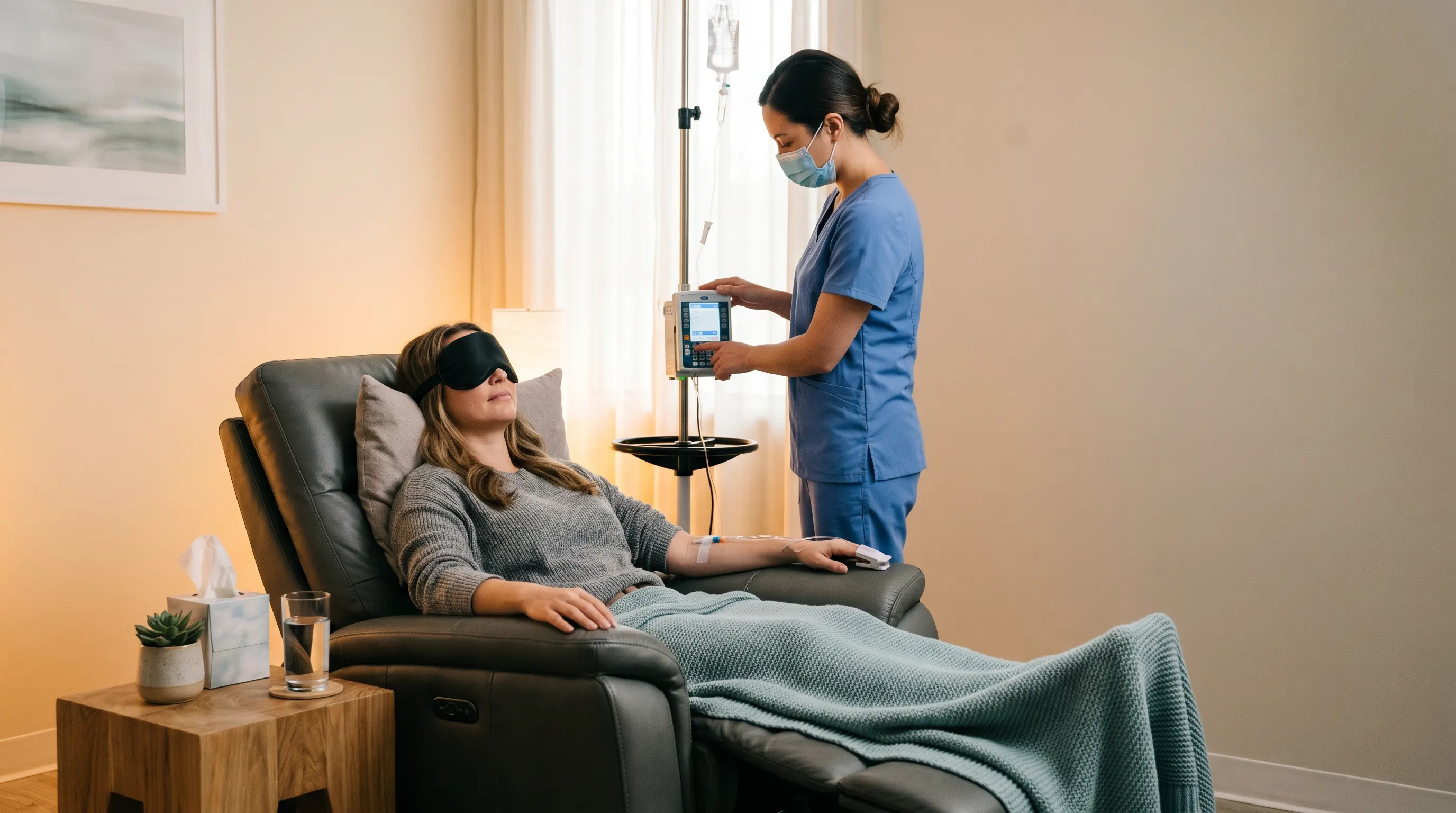
Ketamine Therapy Clinics professionals serving San Jose, CA
Key Takeaways
•San Jose has 5 listed ketamine therapy professionals with an impressive average rating of 4.8 out of 5 stars, indicating a high-quality local market with competitive standards.
•VividLife Ketamine Clinic leads the San Jose area with a perfect 5.0-star rating across 15 reviews, making it the top-rated option currently listed in the region.
•IV ketamine infusion therapy in the San Jose area typically costs $400–$800 per session, with a full 6-session induction series running $2,400–$4,800 — costs that reflect the Bay Area's higher cost of living and specialized medical overhead.
•Spravato (esketamine nasal spray) is the only ketamine-based treatment currently covered by insurance in some cases, but it requires a REMS-certified clinic and in-office administration — not all San Jose area providers offer it.
•Depression severity in the South Bay tends to peak during winter months when daylight hours shorten, making late fall the ideal time to schedule a consultation so you are not competing with a surge in demand come January.
Ketamine Therapy for Depression and Chronic Pain in San Jose: What You Need to Know
San Jose sits at the heart of Silicon Valley, a region known for its high-achieving, high-stress workforce and a growing awareness of mental health innovation. That cultural context has meaningfully shaped the local ketamine therapy landscape. Unlike smaller markets where a single clinic may serve an entire region, the South Bay and its surrounding communities — Los Altos, Palo Alto, and the broader Bay Area — have developed a cluster of specialized ketamine providers who cater to patients with treatment-resistant depression, PTSD, chronic pain syndromes, and anxiety disorders. With 5 listed professionals and an average Google rating of 4.8 out of 5 stars, San Jose's ketamine market is both established and quality-conscious. That average rating is notably high for any medical specialty — it reflects providers who have invested in patient experience, clinical protocols, and follow-up care rather than simply offering infusions as a commodity service.
Ketamine therapy for depression and chronic pain operates differently from conventional psychiatric or pain management care. Rather than daily oral medications that may take weeks or months to show effects, ketamine — administered via IV infusion, intramuscular injection, or as Spravato (FDA-approved esketamine nasal spray) — can produce measurable relief from depressive symptoms within hours to days for many patients. For chronic pain conditions such as fibromyalgia, complex regional pain syndrome (CRPS), and neuropathic pain, ketamine works as an NMDA receptor antagonist, essentially resetting sensitized pain pathways in the central nervous system. In the San Jose area, patients seeking these services should expect a comprehensive intake screening process, typically including a psychiatric or medical evaluation, before any infusion is scheduled. Reputable providers in the region require this step without exception — and that is exactly how it should be.
The San Jose metro area is served not only by clinics within city limits but also by several highly regarded providers in nearby communities like Los Altos and Palo Alto, all within reasonable driving distance. This geographic spread means San Jose residents often have more choice than they realize. However, more choice also demands more discernment. Not all ketamine clinics are equal in their staffing models, monitoring protocols, or integration support. This guide is designed to give you the specific, evidence-grounded information you need to evaluate your options confidently — without the marketing noise.
Local tip: San Jose and the broader South Bay region has a high concentration of tech industry workers who often have employer-sponsored PPO health plans. While standard IV ketamine infusions are almost universally considered out-of-network or non-covered, some Bay Area PPO plans have begun covering Spravato (esketamine) under their mental health parity provisions. Before ruling out insurance entirely, call your HR benefits line and ask specifically about 'esketamine nasal spray under the REMS program' — the framing matters for how the benefits team searches their formulary.
How Much Does Ketamine Therapy for Depression and Chronic Pain Cost in San Jose?
Cost is one of the first and most practical questions patients ask — and in San Jose, the answer is shaped by both the Bay Area's elevated cost of doing business and the specific type of ketamine treatment being pursued. IV ketamine infusions require a physician or CRNA to be present throughout the session, specialized monitoring equipment, and a clinic space designed for extended medical procedures. These overhead costs are real, and they are reflected in session pricing that typically runs $400–$800 per infusion in this market. For the standard 6-session induction series used for depression, that means an all-in cost of $2,400–$4,800 before any booster sessions. Chronic pain protocols sometimes require higher doses or more frequent sessions, which can push costs toward the upper end of that range or beyond.
Spravato (esketamine nasal spray) represents a different cost structure. At $600–$900 per session, it may seem comparable to IV infusions, but there are important distinctions: Spravato sessions require in-office monitoring for at least two hours post-dose, the drug itself is FDA-approved for treatment-resistant depression and major depressive disorder with suicidal ideation, and it is the only ketamine-based treatment for which insurance coverage is even theoretically possible. Clinics offering Spravato must be enrolled in the FDA's REMS (Risk Evaluation and Mitigation Strategy) program, which adds a layer of regulatory oversight and credentialing that not every provider has pursued. When evaluating cost, factor in not just the per-session price but also the intake evaluation fee (typically $150–$400), any integration therapy sessions the clinic offers or requires, and booster infusions that many patients need at 4–8 week intervals after the initial series.
Service
Low Estimate
High Estimate
Notes
IV Ketamine Infusion (Single Session)
Low$400
High$800
Per session; depression protocols typically require 6 sessions for induction. Bay Area pricing reflects higher clinical overhead.
IV Ketamine Infusion (6-Session Series)
Low$2,400
High$4,800
Full induction package for treatment-resistant depression or chronic pain. Some clinics offer bundled pricing with modest savings.
Spravato (Esketamine Nasal Spray)
Low$600
High$900
FDA-approved; requires REMS-certified clinic and 2-hour in-office monitoring post-dose. Only ketamine treatment with potential insurance coverage.
Booster/Maintenance Infusion
Low$400
High$700
Typically needed every 4–8 weeks after initial series. Frequency varies by patient response. Some clinics offer maintenance pricing tiers.
Money-saving tip for San Jose: Several South Bay ketamine providers offer package pricing for the full 6-session induction series that can reduce your per-session cost by 10–15% compared to paying individually. Ask about this before scheduling your first appointment. Additionally, if your diagnosis includes treatment-resistant depression (defined as failing at least two adequate antidepressant trials), request a letter of medical necessity from your psychiatrist before approaching your insurance company about Spravato — it significantly strengthens any prior authorization request. Some Bay Area HSA and FSA plans also accept ketamine infusions as a qualified medical expense, so check with your plan administrator.
How to Choose the Right Ketamine Therapy for Depression and Chronic Pain
5 Questions to Ask Before Hiring
Who is physically present during my infusion, and what are their credentials? The right answer: A physician (psychiatrist, anesthesiologist, or other licensed MD/DO) or a certified registered nurse anesthetist (CRNA) supervised by a physician should be present for the entire infusion — not just at intake. Some clinics use unlicensed or minimally trained support staff for monitoring. In the San Jose area, where ASKP-affiliated and physician-led clinics set the standard, this is a non-negotiable baseline.
What monitoring equipment and emergency protocols do you have on-site? The right answer: The clinic should have continuous pulse oximetry, blood pressure monitoring, supplemental oxygen availability, and access to reversal agents (such as benzodiazepines for ketamine-related dissociation). They should be able to articulate a clear emergency transfer protocol to a nearby hospital — in San Jose, that means proximity to Regional Medical Center or Good Samaritan Hospital.
Do you offer psychological integration support, and is it built into your program or separate? The right answer: Ketamine's therapeutic effect is significantly enhanced when paired with psychological integration — helping patients process insights or emotional shifts that occur during sessions. The best San Jose area clinics either employ a licensed therapist or maintain a referral network of therapists familiar with ketamine-assisted therapy. Be cautious of clinics that treat infusions as purely biomedical procedures with no therapeutic framework.
What is your screening process, and do you conduct a psychiatric or medical evaluation before scheduling my first infusion? The right answer: Every patient should receive a comprehensive intake evaluation — either in-person or via a thorough telehealth screening — that reviews psychiatric history, current medications (especially benzodiazepines, which can blunt ketamine's effects), cardiovascular health, and substance use history. Any clinic willing to schedule you for an infusion without this step is cutting corners on safety.
Are you enrolled in the FDA's REMS program for Spravato, and how do you handle patients who may be candidates for it? The right answer: If you have treatment-resistant depression and have failed multiple antidepressants, Spravato may be a better first step given its FDA approval and potential for insurance coverage. A well-rounded clinic should be able to discuss both IV ketamine and Spravato as options and help you determine which is appropriate for your clinical profile — not simply default to whichever is more profitable for them.
Red Flags When Hiring Ketamine Therapy for Depression and Chronic Pain
Red flags to watch for when evaluating San Jose area ketamine providers:
No physician oversight during infusions: If a clinic cannot clearly identify which licensed physician is medically directing your care and present during treatment, walk away. Ketamine is a Schedule III controlled substance with real cardiovascular and psychological risks — it demands physician-level oversight, not delegation to unlicensed staff.
Unusually low pricing with no clinical explanation: IV ketamine below $350/session in the Bay Area market almost always signals corner-cutting somewhere — whether in staffing credentials, monitoring protocols, drug sourcing, or session duration. Price competition in this specialty is narrow for good reason.
Pressure to commit to a package before a medical evaluation: Reputable clinics complete a thorough intake screening before offering you a treatment plan. Any provider pushing you to purchase a 6-session series before reviewing your medical and psychiatric history is prioritizing revenue over patient safety.
No mention of contraindications or a 'we treat everyone' posture: Ketamine is contraindicated or requires extra caution in patients with uncontrolled hypertension, active psychosis, certain personality disorders, and those on specific medication regimens. A clinic that never discusses who may not be a good candidate is not conducting proper clinical gatekeeping.
Lack of any follow-up or aftercare protocol: Ketamine's antidepressant effects are not permanent in most patients. Clinics that offer no booster scheduling guidance, no integration therapy referrals, and no follow-up communication after your series ends are treating infusions as a transaction rather than a treatment relationship. In a market like San Jose — where patients typically have the resources to demand better — this is a meaningful differentiator.
Top-Rated Ketamine Therapy for Depression and Chronic Pain in San Jose
The San Jose area's 5 listed ketamine therapy providers span a range of specializations, geographic positions within the Bay Area, and review track records. Here is a detailed look at each, based on available Google rating data.
VividLife Ketamine Clinic holds the top spot in the local market with a perfect 5.0-star rating across 15 reviews — a combination that is difficult to sustain as review volume grows, making it particularly meaningful. A 5.0 rating at 15 reviews suggests consistent, exceptional patient experiences rather than a handful of outlier positives. For patients prioritizing quality of experience and clinical reputation above all else, VividLife is the benchmark in this market.
Soft Reboot Wellness (Ketamine Therapy Clinic in Bay Area) is the most reviewed provider in the dataset with 43 Google reviews and a 4.8-star rating. In any medical specialty, review volume combined with a near-perfect rating is a strong signal of operational consistency — 43 patients do not collectively rate a clinic 4.8 stars unless the clinical experience, patient communication, and outcomes are reliably strong. Soft Reboot's positioning as a Bay Area ketamine clinic suggests they draw patients from across the South Bay and Peninsula, which speaks to their regional reputation. For patients who want a provider with a longer and more visible track record in the community, Soft Reboot represents a compelling choice.
Bay Area Ketamine Center in Los Altos holds a 4.6-star rating across 21 reviews, placing it as a solid mid-tier option in terms of Google ratings. Los Altos is approximately 10–15 minutes from central San Jose, making it a realistic option for South Bay residents. A 4.6 rating across 21 reviews is still well above average for any healthcare provider and should not be dismissed — patients who travel to Los Altos specifically for ketamine care do so with intention.
Ketamine MD Palo Alto and Ketamine Infusion of Bay Area (KAIA Ketamine Infusion) are both listed providers without current Google review data, which can reflect several things: a newer practice, a practice that has not actively cultivated online reviews, or simply limited public-facing visibility. The absence of reviews does not indicate poor quality, but it does mean patients must do more independent due diligence — asking for patient references, requesting to speak with the treating physician before committing, and researching the credentials of the medical director.
All 5 listed businesses have direct phone contact available, which is an important baseline — it means you can speak directly with clinical staff before committing to any consultation or treatment program.
Company
Rating
Reviews
Best For
VividLife Ketamine Clinic
5.0★
15
Patients prioritizing the highest-rated clinical experience in the San Jose market; ideal for first-time ketamine patients who want a proven quality record
Soft Reboot Wellness (Ketamine Therapy Clinic in Bay Area)
4.8★
43
Patients who want the most-reviewed Bay Area provider with a consistent long-term track record; strong choice for those valuing volume of patient feedback
Bay Area Ketamine Center Los Altos CA
4.6★
21
San Jose patients willing to make a short drive to Los Altos for a well-reviewed clinic with a solid community reputation in the South Bay
Ketamine MD Palo Alto
Not yet rated
0
Patients who prefer a Palo Alto-based provider and are willing to conduct direct intake conversations with clinical staff to assess fit independently
Ketamine infusion of bay area - kaia ketamine infusion
Not yet rated
0
Patients exploring all Bay Area options who want to speak directly with the provider team before making a decision; due diligence calls recommended
Seasonal Guide for San Jose
San Jose's climate is often described as Mediterranean, with mild, wet winters and warm, dry summers — but the city's varied microclimates and its status as a dense urban center at the south end of the Bay mean that seasonal mental health patterns here follow a distinct rhythm that prospective ketamine patients should understand.
Winter (November through February) is the peak demand season for ketamine therapy in the San Jose market, driven by two converging factors. First, seasonal affective disorder and winter-pattern depression are real phenomena even in Northern California's relatively mild climate — reduced daylight hours, increased indoor confinement, and the psychosocial stress of the holiday season all contribute to depressive episodes worsening or first emerging between November and January. Second, end-of-year insurance deductible resets mean that many Bay Area patients who have been considering ketamine therapy all year finally act in December or January once they have met their annual out-of-pocket maximum, even if that coverage technically applies only to Spravato. The practical implication: if you are considering starting ketamine therapy, do not wait until your depression is at its worst in December to begin calling providers. The best San Jose area clinics will have 2–4 week consultation lead times in November and December that stretch to 4–6 weeks by late January. Begin your outreach in September or October for winter-season treatment.
Spring and summer (March through September) represent the lower-demand window for depression-focused ketamine therapy in San Jose, but chronic pain patients are active year-round, and these seasons tend to have better consultation availability. For patients with fibromyalgia, CRPS, neuropathic pain, or other chronic pain conditions, the lack of seasonal pressure means you are more likely to get a consultation within the 1–2 week window that reputable providers target, and your first treatment within 1–3 weeks of screening completion. The San Jose area's outdoor lifestyle during summer months also means that patients who receive an initial infusion series in spring have access to natural mood-supportive activities — regular outdoor exercise, social engagement, sunlight exposure — that can meaningfully extend the duration of ketamine's antidepressant effects, a synergy worth planning for intentionally.
Fall (October) is the strategic sweet spot for new patients. Demand is building but has not yet peaked, most providers still have near-normal availability, and patients who start a 6-session series in October are typically completing their induction and assessing response by late November — right before the winter peak, rather than in the middle of it. Given that ketamine's antidepressant response can take 2–4 infusions to manifest and may require a second series in some patients, starting in October rather than December gives you meaningful clinical runway before the hardest months of the year.
Frequently Asked Questions
How long does a ketamine infusion session actually take at a San Jose area clinic?
For depression protocols, a single IV ketamine infusion typically runs 40–60 minutes for the infusion itself, with an additional 30–60 minutes of post-infusion monitoring before you are cleared to leave. You will need a driver — operating a vehicle after a ketamine infusion is unsafe and most clinics will not release you without confirmed transportation. Plan for a 2–3 hour block for each appointment. Spravato sessions require a longer mandatory in-office monitoring window of at least 2 hours post-dose under FDA REMS requirements. Chronic pain infusions often use higher doses and longer infusion times — sometimes 3–4 hours — so confirm the specific protocol with your provider during intake.
Will my health insurance cover ketamine therapy in San Jose?
Standard IV ketamine infusions for depression or chronic pain are almost universally classified as out-of-network or non-covered procedures by health insurance in California, including the large tech-sector employer plans common in San Jose. The one meaningful exception is Spravato (esketamine nasal spray), which is FDA-approved for treatment-resistant depression and major depressive disorder with suicidal ideation, and which some plans — particularly Bay Area PPO plans — will cover under mental health parity requirements when prior authorization is obtained and a REMS-certified clinic is used. If cost is a significant concern, ask any prospective provider whether they offer Spravato, whether they are REMS-certified, and whether their billing team has experience navigating prior authorization with California commercial insurers. HSA and FSA funds can typically be applied to ketamine infusions as qualified medical expenses — confirm with your plan administrator.
Find Ketamine Therapy Clinics Professionals in San Jose
Browse top-rated contractors, compare reviews, and get free quotes.
What conditions are ketamine therapy providers in San Jose most commonly treating?
The most common diagnoses driving ketamine therapy referrals in the San Jose market are treatment-resistant major depressive disorder (having failed two or more adequate antidepressant trials), PTSD, generalized anxiety disorder, bipolar depression (in carefully screened patients), and chronic pain conditions including fibromyalgia, complex regional pain syndrome (CRPS), neuropathic pain, and migraine. The Silicon Valley workforce adds a layer of burnout-related depression and anxiety that providers in this region see with notable frequency. Some clinics also treat obsessive-compulsive disorder (OCD) off-label. Not every clinic treats every condition — Soft Reboot Wellness, for example, emphasizes its Bay Area ketamine therapy focus, while Bay Area Ketamine Center in Los Altos and VividLife Ketamine Clinic serve a mix of depression and chronic pain patients. Ask specifically whether the provider has experience with your primary diagnosis.
How do I know if I am a good candidate for ketamine therapy before calling a provider?
A reasonable self-assessment starting point: you are more likely to be a candidate if you have been diagnosed with major depressive disorder, PTSD, or a chronic pain condition; you have tried at least one or two conventional treatments (antidepressants, therapy, pain management medications) with insufficient results; you do not have a personal or family history of psychosis or schizophrenia; your blood pressure is reasonably controlled; and you are not currently dependent on alcohol or benzodiazepines (both of which complicate ketamine therapy significantly). That said, only a physician-led intake evaluation can make the actual determination. In San Jose's market, all 5 listed providers have direct phone contact — a brief initial call with clinical staff can often give you a preliminary sense of fit before committing to a formal consultation fee.
What is the difference between ketamine infusion therapy and Spravato, and which should I ask about in San Jose?
IV ketamine infusions deliver racemic ketamine (a mix of two molecular forms) directly into the bloodstream, allowing precise dose control and rapid onset. It is used off-label for depression, PTSD, and chronic pain, is not FDA-approved for these indications, and is therefore not covered by insurance. Spravato (esketamine) is a nasal spray containing only the S-enantiomer of ketamine, is FDA-approved specifically for treatment-resistant depression and MDD with suicidal ideation, requires administration in a REMS-certified clinic with mandatory in-office monitoring, and offers the only realistic pathway to insurance coverage. In practical terms: if you have treatment-resistant depression and want to pursue insurance coverage, ask specifically about Spravato at REMS-certified clinics in the San Jose area. If you have chronic pain, PTSD, or prefer the flexibility and long clinical track record of IV infusions, IV ketamine is typically the more appropriate modality. A good provider will help you navigate this choice based on your diagnosis, insurance situation, and clinical history.